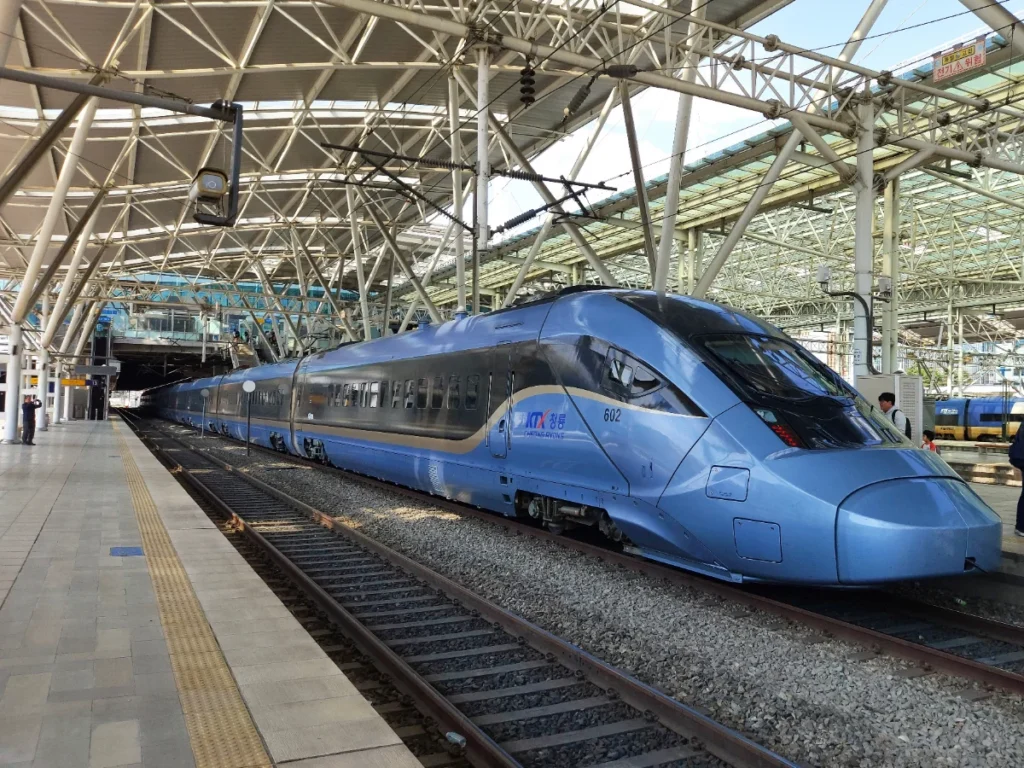
Since October 1, 2026, KTX tickets go on sale at 07:00 Korean time two months before the train runs, not one month as before. Foreigners book most reliably on KORAIL’s English website as a non-member, with an email address, a password and a Visa, Mastercard or UnionPay card; no Korean phone number or resident ID is needed there. The KORAIL+ app sells the same tickets, but overseas cards can fail in the app. After the September 1 merger of KTX and SRT, a standard-class seat from Seoul to Busan is about ₩54,000 (around $40), down from ₩59,800, and trains from Suseo Station in Gangnam are now plain KTX trains on the same site. A KORAIL PASS, at ₩131,000 for two travel days, does not beat single tickets on a simple Seoul–Busan return; it pays only when you ride a lot on each travel day.
What changed in 2026
- August 3: one app for KTX and SRT
- The Korail Talk app became KORAIL+ (코레일+, ko-re-il peul-leo-seu). If an older guide says “download Korail Talk”, that is the same app under its new name; the separate SRT app is being retired.
- September 1: KTX and SRT merged, fares cut
- Trains from Suseo Station that used to be branded SRT are now KTX, booked on the same site and app. KORAIL’s fares came down about 10% on average, to the old SRT level, for three years.
- October 1: tickets open two months ahead
- The Ministry of Land, Infrastructure and Transport and KORAIL moved the sales start from one month to two months before departure, so you can book the train when you book the flight. One older notice on KORAIL’s English site still says “one month”; the ticketing guide and the booking page say two.
Where foreigners can book
You have four options, and the first is the one KORAIL built for visitors.
- KORAIL’s English website (korail.com, “Ticket Reservation”). You book as a non-member with an email address and a password and pay by credit card; KORAIL says it accepts Visa, Mastercard and UnionPay from abroad and is adding WeChat Pay and Alipay. Keep the email and password exactly as typed, including capitals: that is how you open the ticket later. Carry the passport you travel on; it is the ID for a foreigner’s ticket. The site runs in seven languages now and is due to reach ten (adding French, German and Mongolian) by the end of 2026.
- The KORAIL+ app (iOS and Android). Same tickets, with the mobile ticket and its QR code stored in the app, and it replaced Korail Talk on August 3, 2026. Its foreign-language and overseas-card support is not documented by KORAIL, and travellers report card payments failing in the app, so if you buy in the app, expect to retry; tickets bought in the app are held and changed there, while the website is the safer first choice for paying.
- Station counters and vending machines. KORAIL’s ticketing guide says counters sell until departure and machines until ten minutes before. Fine for a spare seat the same day; on Friday afternoons and holidays the popular trains are gone.
- Resellers such as Trip.com and Klook, which sell the same seats and KORAIL PASS vouchers in your currency. See the reseller section before paying a markup.
If the foreign-card payment fails. KORAIL posted a notice on August 21, 2026 headed “Temporary Unavailable Foreign Credit Card Services”. If a payment fails, try again later or with another card, or buy at a station counter on arrival.
When tickets open, in your time zone
Sales open at 07:00 Korean time (KST, UTC+9) two months before the departure date; the website sells until departure. For a train on January 15, 2027, seats appear on November 15 at 07:00 in Korea, which is 22:00 UTC on November 14: 5 pm in New York, 2 pm in Los Angeles, 10 pm in London. During US and UK summer time, add one hour to those.
Two exceptions. Holiday periods (Seollal in late January or February and Chuseok in September or October) have their own advance-sale dates, announced as notices on the KORAIL site. And the two-month rule is a KORAIL rule: resellers can only sell what KORAIL has released, whatever their own calendar lets you select.
Seoul to Busan: fares, stations, trains
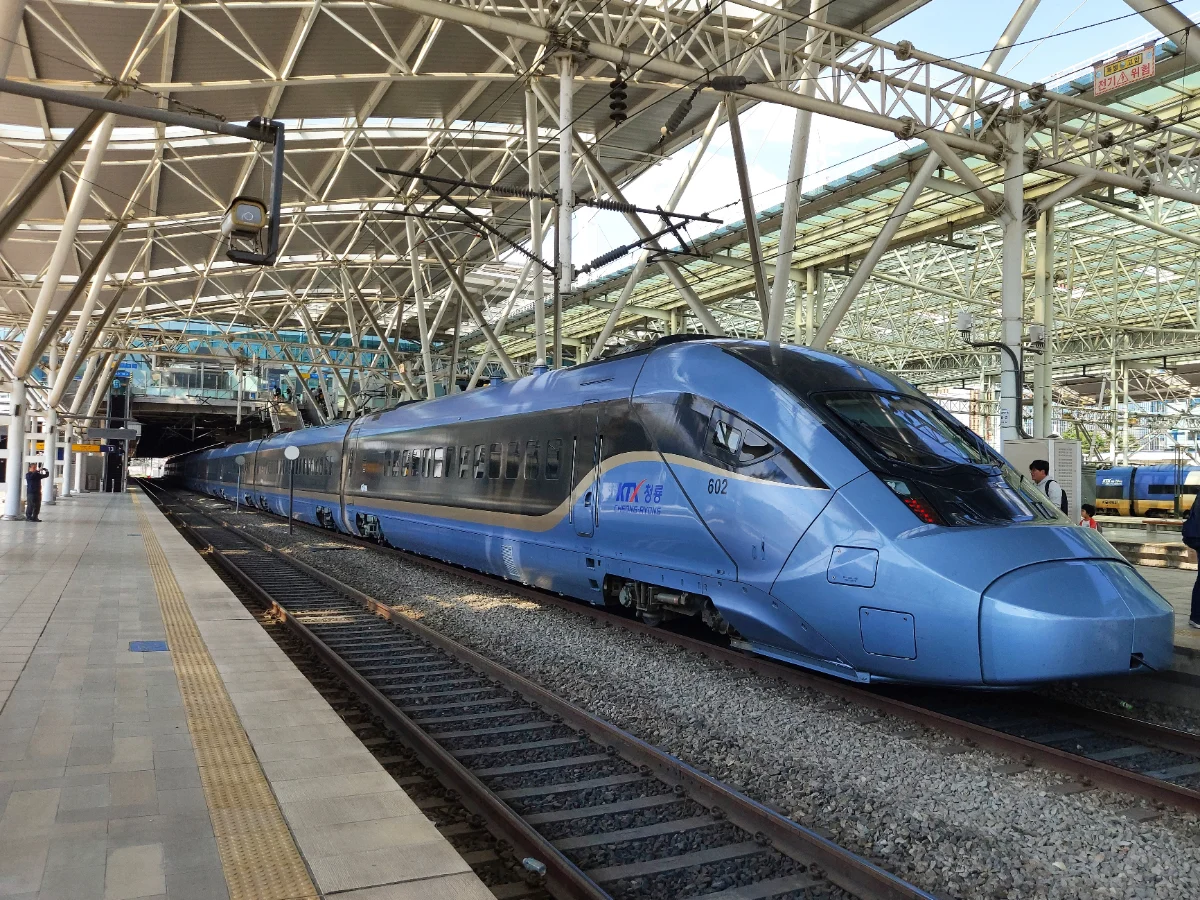
The most-booked route is Seoul Station to Busan Station: about 2 hours 18 minutes on the fastest KTX-Cheongryong, 2½ to 3 hours on most trains, and up to about 3½ hours on trains routed via Miryang and Gupo. After the September fare cut, Korean reports put the standard-class fare at ₩54,400, down from ₩59,800; the exact figure varies a little by train type, so read it off the booking page. First class (특실, teuk-sil) costs more and is not covered by a KORAIL PASS.
| What to check | Why it matters |
|---|---|
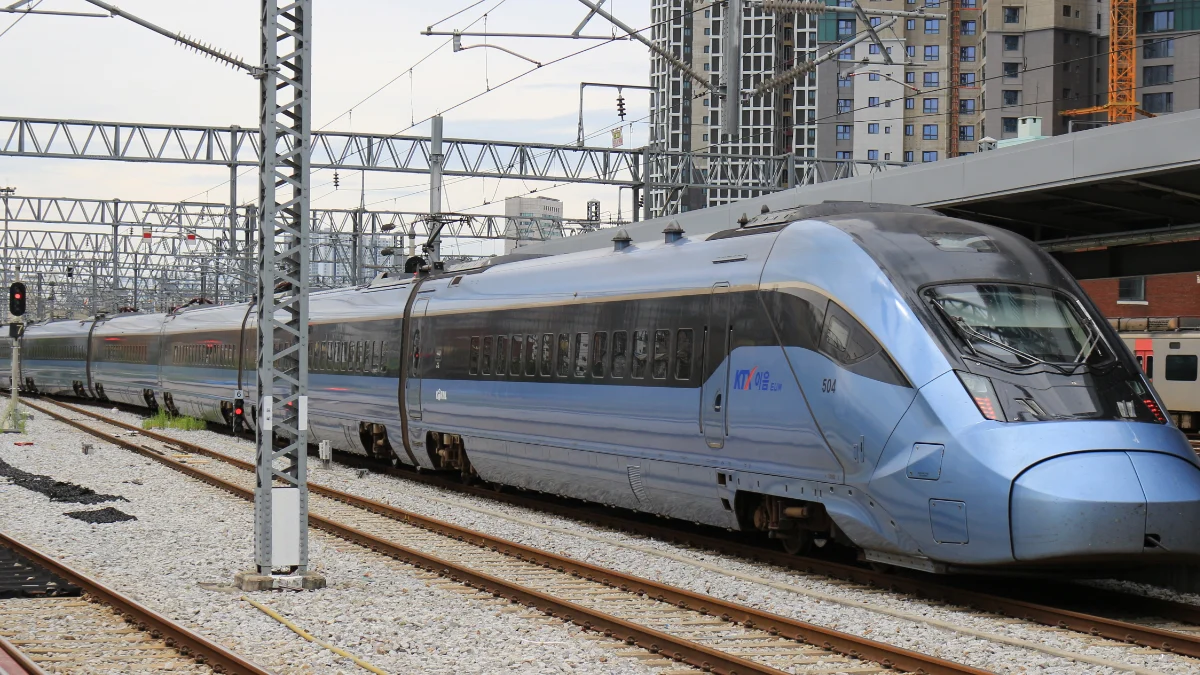
| Departure station: Seoul (서울역), Yongsan (용산), Suseo (수서) or Cheongnyangni (청량리) | Busan trains leave from Seoul Station or, since the merger, from Suseo in Gangnam. Honam-line trains to Gwangju and Mokpo mostly leave from Yongsan. Cheongnyangni serves Gangwon and the Jungang line, including a slower KTX-Eum to Bujeon in Busan. Check the station on your ticket before you pick a hotel. |
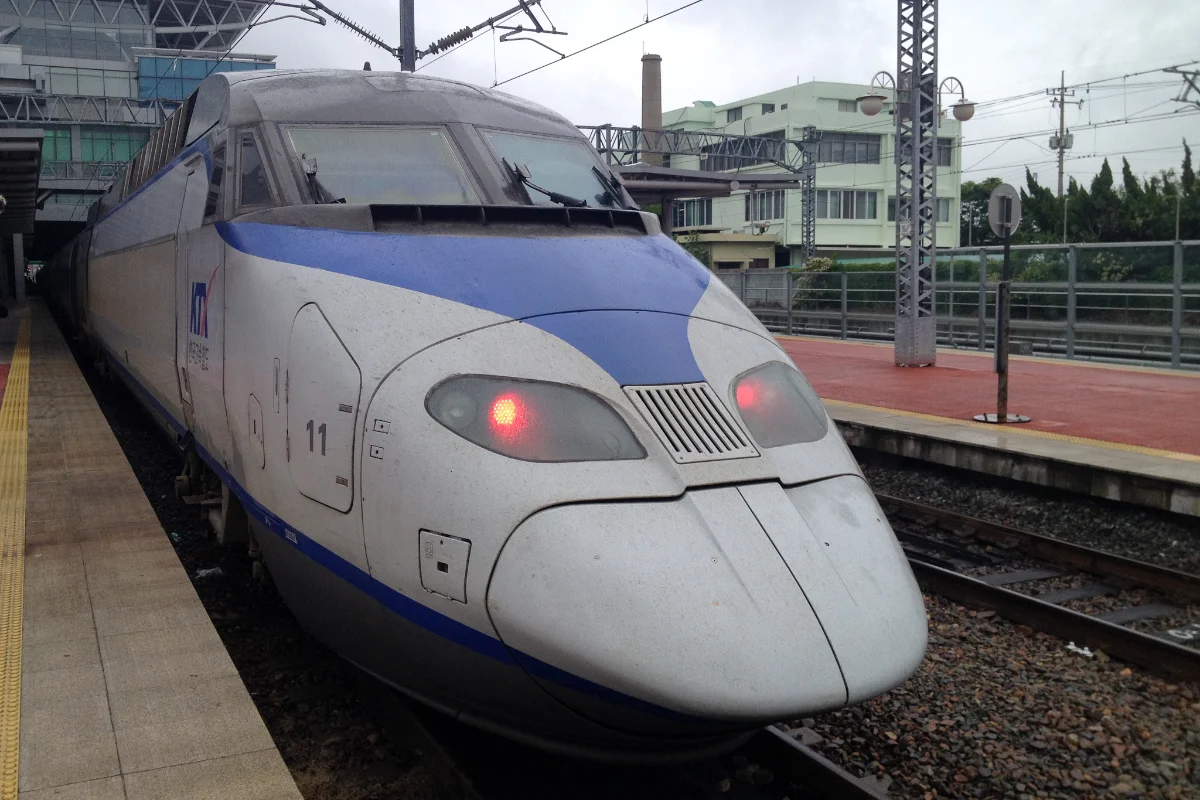
| Train type: KTX, KTX-Sancheon, KTX-Cheongryong, KTX-Eum | All are KTX fares. Cheongryong is the newest and fastest set on the Busan line; Eum runs the Gangwon and Jungang-line routes; its Jungang-line run to Bujeon takes longer than a Gyeongbu-line KTX to Busan Station. |
| Seat: standard, first class, or standing/non-reserved | Standard is what most people book. A standing or non-reserved ticket (입석/자유석, ip-seok / ja-yu-seok) is cheaper and is what KORAIL sells once reserved seats run out. |
| Direction of travel | On the older KTX sets some seats face backward. The seat map marks each seat as forward (순방향, sun-bang-hyang) or backward (역방향, yeok-bang-hyang) when you choose. |
KORAIL PASS: when it pays off
The KORAIL PASS is a foreigners-only pass sold on KORAIL’s site and by resellers: you choose 2, 3, 4 or 5 travel days to use within a ten-day window, and ride KORAIL trains in standard class as often as you like on those days, with up to two reserved seats per day and unlimited standing. Adult prices announced in December 2025 are ₩131,000 (2 days), ₩186,000 (3), ₩234,000 (4) and ₩275,000 (5); a KORAIL PASS PLUS adds a transit card for ₩8,000 more. It is not valid on subways or special tourist trains, and KORAIL’s current notice still excludes the former SRT services, so check before counting on a Suseo departure.
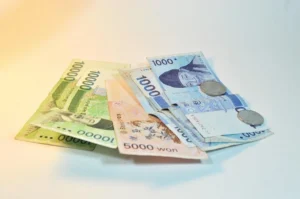
Work it out per travel day: the passes cost ₩65,500, ₩62,000, ₩58,500 and ₩55,000 a day for 2, 3, 4 and 5 days. A Seoul–Busan return is about ₩108,800 in single tickets against ₩131,000 for the 2-day pass. The pass wins only when your single tickets would average more than ₩55,000 to ₩65,500 per travel day, which in practice means out-and-back day trips with two long rides on the same day. Its other value is flexibility: you can change plans without refund fees, and the two daily seat reservations plus unlimited standing suit a day-trip-heavy itinerary. Everything on the pass must match your passport, nothing can be changed after purchase, and refunds are free only up to the day before the start date.
Boarding, changes and refunds
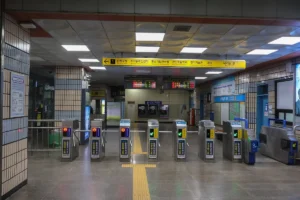
- No ticket gates. KTX platforms are open; you walk to your car and seat, and an attendant checks tickets against a seat list and may ask to see your e-ticket or app ticket. KORAIL PASS holders should carry the printed pass and the passport it was issued against.
- There is no check-in. Being at the station 10 to 15 minutes before departure is enough to find the platform. Your car number (호차, ho-cha) and seat (좌석, jwa-seok) are on the ticket.
- Changing a ticket. For tickets bought in the KORAIL+ app, Korean reports from February 2026 say the ticket can be changed without a fee to another train on the same route within seven days either side, up to 30 minutes before departure. A ticket bought on the English website has no change function, so there you refund and book again, as early as you can.
- Refunds are made on the website (MY TICKET) or in the app before departure. For a Monday-to-Thursday train there is no fee until 3 hours before departure, then 5%. For Friday-to-Sunday and holiday trains there is a small minimum fee up to two days before, 5% the day before, 10% from 24 hours to 3 hours before and 20% in the last 3 hours. Once the train has left you can refund only at a station counter: 15% (weekday) or 30% (weekend) within 20 minutes, 40% up to an hour, 70% after that, and nothing after the train’s arrival time. The table is on KORAIL’s ticketing guide, linked below.
- Lost tickets. An e-ticket can be opened again from MY TICKET with your email and password. For a paper reserved-seat ticket, go to the station counter: KORAIL’s guide says that if the purchase can be confirmed on your card, the ticket is re-issued (you pay again and are refunded later, minus a minimum fee, once the lost ticket is confirmed unused).
Booking through a reseller
This guide contains affiliate links. If you book through them, Koriway may earn a commission. How we handle affiliate links.
Trip.com and Klook sell KORAIL tickets and KORAIL PASS vouchers priced in dollars, which some travellers prefer to a Korean site and a won fare. Trip.com’s Seoul–Busan page (paid link) states that it adds no booking fee and issues e-tickets; its “from” price is well below the KTX fare, so check the train type and compare the price for your actual train with the won fare on korail.com at that day’s exchange rate. A reseller cannot release seats earlier than KORAIL’s two-month window, and some open later (Klook lists tickets 30 days ahead); refunds follow the reseller’s terms rather than KORAIL’s table.
If you are arriving at Incheon first, our airport arrival guide covers the AREX train into Seoul Station, and the K-ETA guide the entry paperwork. For getting around inside the city, see your first Seoul subway ride and taxi apps.
Useful Korean phrases
For the platform and the counter. Pronunciations are approximate.
Sources and update date
Updated October 23, 2026. Rules were read from KORAIL’s English site on that date; fares are from Korean press reports of the September 1, 2026 fare change and should be confirmed on the booking page. Dollar figures use ₩1,350 to the dollar. Next check: the first week of January 2027, when holiday advance-sale notices and the 2027 KORAIL PASS prices appear.
View sources and photo credits
- KORAIL, Ticketing Guide (sales from 07:00 two months before departure, KORAIL+ app, refund penalties), read October 23, 2026.
- KORAIL, Book Korail Pass and the KORAIL PASS notices on the English homepage, read October 23, 2026.
- The Korea Times, KTX bookings to open 2 months in advance, September 20, 2026 (ministry announcement, accepted cards, languages, 6.69 million foreign riders January–August 2026).
- Hankyung, KTX·SRT integration and fare cut, August 2, 2026, and Wikitree, September fare changes (Korean; Seoul–Busan fare figures).
- Herald Economy, KORAIL PASS prices and KORAIL PASS PLUS, December 28, 2025 (Korean).
- Twig24, KORAIL app ticket changes without penalty, February 3, 2026 (Korean), and Newdaily, Jungang line KTX-Eum to Busan, December 19, 2024 (Korean).
- Trip.com, Trains page, read October 23, 2026 (reseller terms).












Leave a Reply